Expert Insights, Hearing Protection SeriesHow do you engage your workforce in wearing hearing protection correctly?
Recent HSE research findings have exposed some shocking truths about attitudes to hearing protection (HP) in the workplace. With 12,000 cases of hearing loss caused or made worse by work conditions every year, education and engagement in this vulnerable area of our health is vital.
In their research, HSE discovered that 63% of workers asked claimed not to have been told of the importance of wearing HP in noise, despite it being a clear compliance issue.
Many people perceive themselves to be at low risk, when this is not the case. Academic research suggests that about 1 in 3 people exposed to noise in industrial work do not wear hearing protection, and in some industries it seems that workers are only wearing hearing protection for around 20% of the time they are exposed to hazardous noise.
There are many excuses for non-wearing of earmuffs or earplugs. But it is up to employers to make their staff aware of the significant long term effects that noise induced hearing loss can have. Here are some basic answers which may help you challenge your colleagues, solve their issues and encourage them to take action.
Why do I need to protect my hearing?
Loud noises damage the sensitive hair cells in your inner ear, leading to permanent and irreversible hearing loss. This is life changing damage.
Damage can lead to tinnitus (ringing in the ears) which can then lead to sleep problems, trouble concentrating, fatigue, stress, extreme sound sensitivity, and a range of emotional issues such as irritability, anxiety, and depression. People struggling with extreme tinnitus have been known to consider suicide. The constant noise can disrupt focus, strain relationships, and negatively affect work and family life.
Deafness causes increased stress, anxiety, and social isolation, as well as a proven higher risk of depression and dementia in older adults. It can also cause physical issues such as vertigo, dizziness, and a greater risk of falls.
My hearing is already going – There’s no point in doing anything about it now.
Studies show that occupational noise exposure significantly increases the risk of hearing loss, even in those already affected. Longer exposure duration and higher severity further elevate that risk. So the idea that hearing protection no longer matters once some damage has occurred is not supported by the evidence.
People with partial hearing loss still have vulnerable cochlear regions that can be preserved.
Ask them if they would apply sunscreen to prevent further skin damage if they had already suffered a skin cancer!
My earmuffs are uncomfortable!
Make sure they are properly maintained and adjusted to fit – compliant earmuffs which are in good condition should not be uncomfortable and should allow the wearer to get on with their job in comfort, with no distraction. Discuss your hearing protection with the experts at Anchor Safety if this is not the case.
What else can I do to persuade people to wear hearing protection?
Visibility of the problem is key to making people aware that it is real and dangerous. Smart hearing protection that quantifies each persons exposure in a visual format can change behaviour by making the invisible visible.
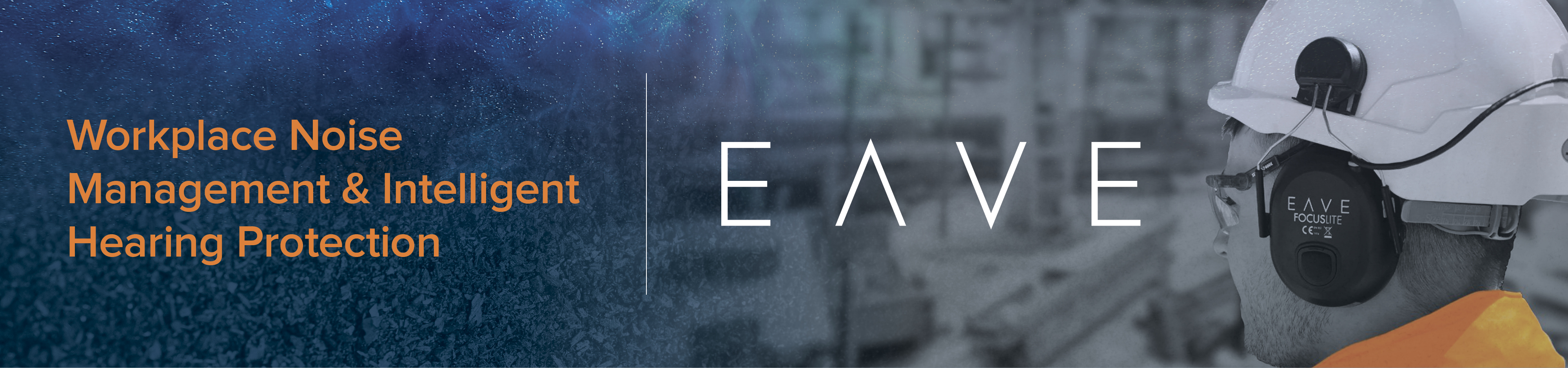
Systems such as Eave offer level dependent ear protection with integrated noise monitoring systems which can show the wearer exactly when and where they have been exposed to, or protected from, noise. This visual evidence may be the trigger needed to show a refuser just what damage they are doing.
Find out more about Eave
Hire Hearing Protection
Anchor Safety offer the opportunity to hire Eave’s protective earmuffs if you would like to try before investing.
Find out how to hire Eave
If you want to find out more about engaging your workforce in wearing hearing protection, contact one of our experts now (0800 328 5028) who can support you in methods of visualising the noise risk and the potential damage which could be caused.
This is the third in a special Anchor Safety Advice series, aimed at helping your workforce to engage in and use their hearing protection correctly, so preventing life changing damage and decline of one of their major senses. Hearing loss is the largest preventable factor in dementia – if your colleagues can save their hearing, they could be saving their memories.
View our Hearing Protection range