The effects of cold weather - Why does cold weather affect us so much?
Being cold is clearly uncomfortable and not conducive to safe working. But what is it actually doing to our bodies, and how can we best protect ourselves?
Circulation
An immediate reaction to cold is for our bodies to conserve heat, by narrowing blood vessels. This can actually raise blood pressure and put added strain on the heart, increasing the risk of heart attacks and strokes, particularly when doing strenuous activity. The body will automatically try to generate more heat, by shivering.
If cold conditions continue, more serious issues may result. Contrary to what many believe, cold weather does not cause a cold or flu, but cold and dry air can make the mucus and cilia in your nose less effective at trapping viruses, making you more susceptible to infections (at a time when people are more likely to gather indoors together, creating optimal virus spreading conditions.)
In extreme cold conditions frostbite may occur when tissue freezes usually in the extremities (fingers, toes, face) and with that comes the risk of gangrene.
Protect: Try layering cold weather clothing.
Make sure you cover the most vulnerable areas such as hands, feet, and head.
Lungs
Cold, dry air can irritate the airways and trigger breathing problems for people with asthma.
Protect: Protect with safety appropriate clothing,
not trailing scarves, or non-protective fabrics. Snoods are a safer alternative.
Skin
Cold and dry conditions can cause the skin to become red, dry, itchy, cracked and flaky – eczema and dermatitis can be really exacerbated when temperatures plunge. Psoriasis, seborrheic dermatitis and rosacea are also triggered by winter conditions.
This is because the weather conditions can damage our skin barrier — the top layer of skin, which contains substances such as cholesterol and fatty acids that help seal in moisture and protect against irritants. Combined with the drying effects of heating systems and low atmospheric humidity, the skin can dehydrate and be damaged very easily.
Protect: Remember that it is much easier to prevent skin issues with proper protection than to try and cure dermatitis or other skin conditions. Try avoiding frequent handwashing where possible, or instead use waterless cleansers. Protect skin with a moisture barrier and re-protect every time hands are washed. The Anchor Safety skin care guide can help you with further information.
Protecting the hands with hazard-appropriate warm gloves is also a very good idea to prevent dehydration, reduce the risk of frostbite and ensure hands are warm enough to avoid fumbling safety critical procedures. Check out the range here.
Feet
On top of the risk to extremities from frostbite, cold weather leads to a significant rise in slip, trip or fall injuries. As well as creating environmental slip factors, cold temperatures also affect your body's ability to move and react effectively. Dexterity and reaction times are reduced because the body reduces blood flow to the extremities (hands and feet) to conserve core heat. Cold can worsen muscle stiffness, making it harder to maintain balance and recover from a potential slip.
Judgment and coordination can be affected by just a small drop in core temperature, making you less aware of potential hazards and less able to respond quickly to a loss of balance. People with existing neurological conditions can also suffer worsened symptoms, further increasing their risk of falls.
Protect: Ensure your work footwear is safety compliant and well maintained. Ensure it is dry and preferably breathable to prevent moisture build up. Something as simple as mud blocking the treads of non-slip footwear can cause slipping.
Eyes
Low sun in winter can easily dazzle. This can cause significant eye problems, from temporary discomfort to permanent damage. The intense dazzle in these conditions, magnified by reflective surfaces like frost, snow or wet roads, can increase the risk of conditions like dry eyes, light sensitivity, and a corneal sunburn known as photokeratitis or "snow blindness".
Protect: Use polaroid sunglasses to prevent eye damage. Also make sure you follow other tips around preventing dazzle from affecting driving safety; slow down, increase your following distance and ensure your windscreen is clean and clear. Make sure that washer fluid is always topped up and that a suitable anti-freeze wash fluid is used.
Mental Health
Lower levels of sunlight can lead to a range of mental health issues, sometimes linked to a reduced level of vitamin D in the body. Seasonally adjusted depression (SAD) can lead to a drop in motivation and increased ill health.
Protect: try and ensure your workplace is light and bright, and that personal motivation is fully supported. There are some great ideas in this expert insight.
Recommended Products for cold weather
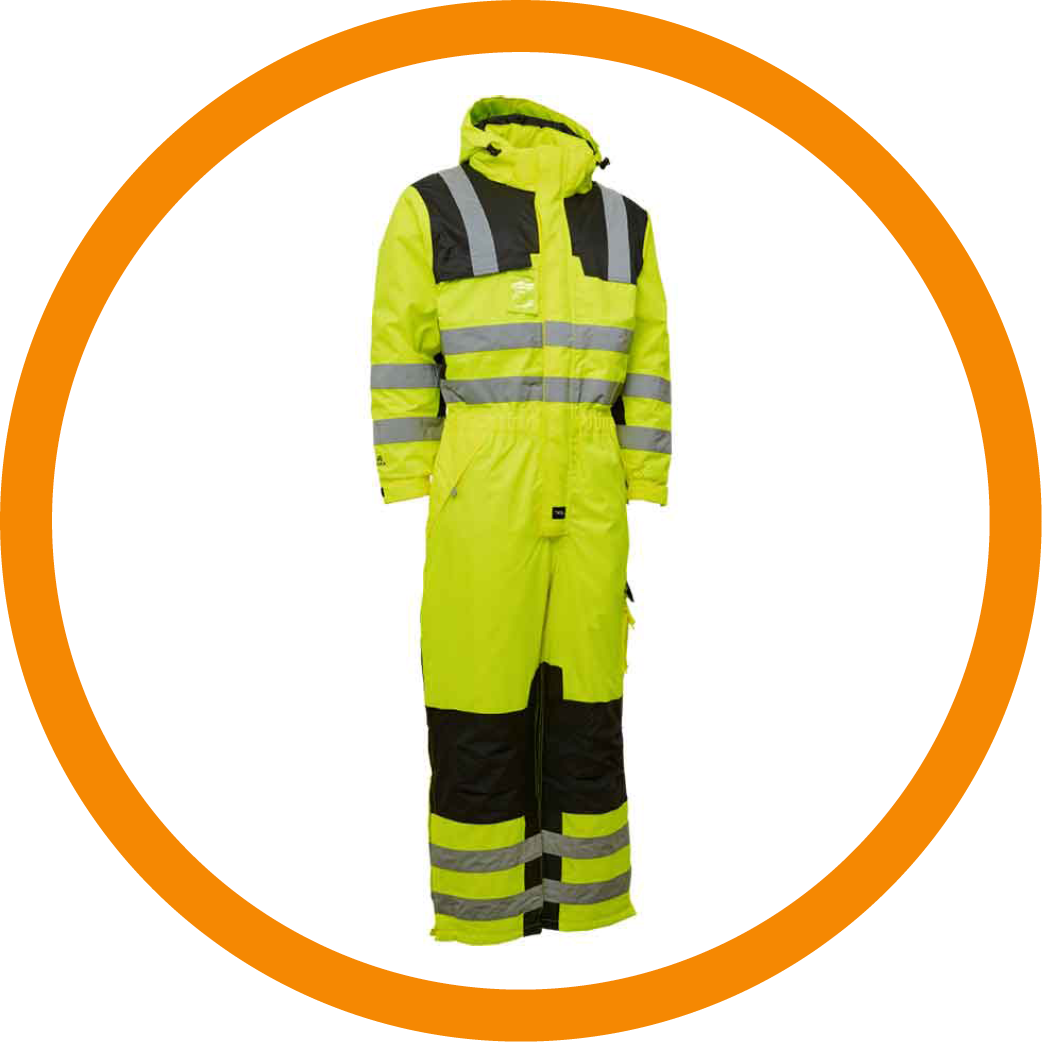
| Yellow/Navy Hi-vis Visible Xtreme Thermal CoverallPractical, waterproof, cosy and visible – the perfect winter combination for complete cold weather protection. More info |
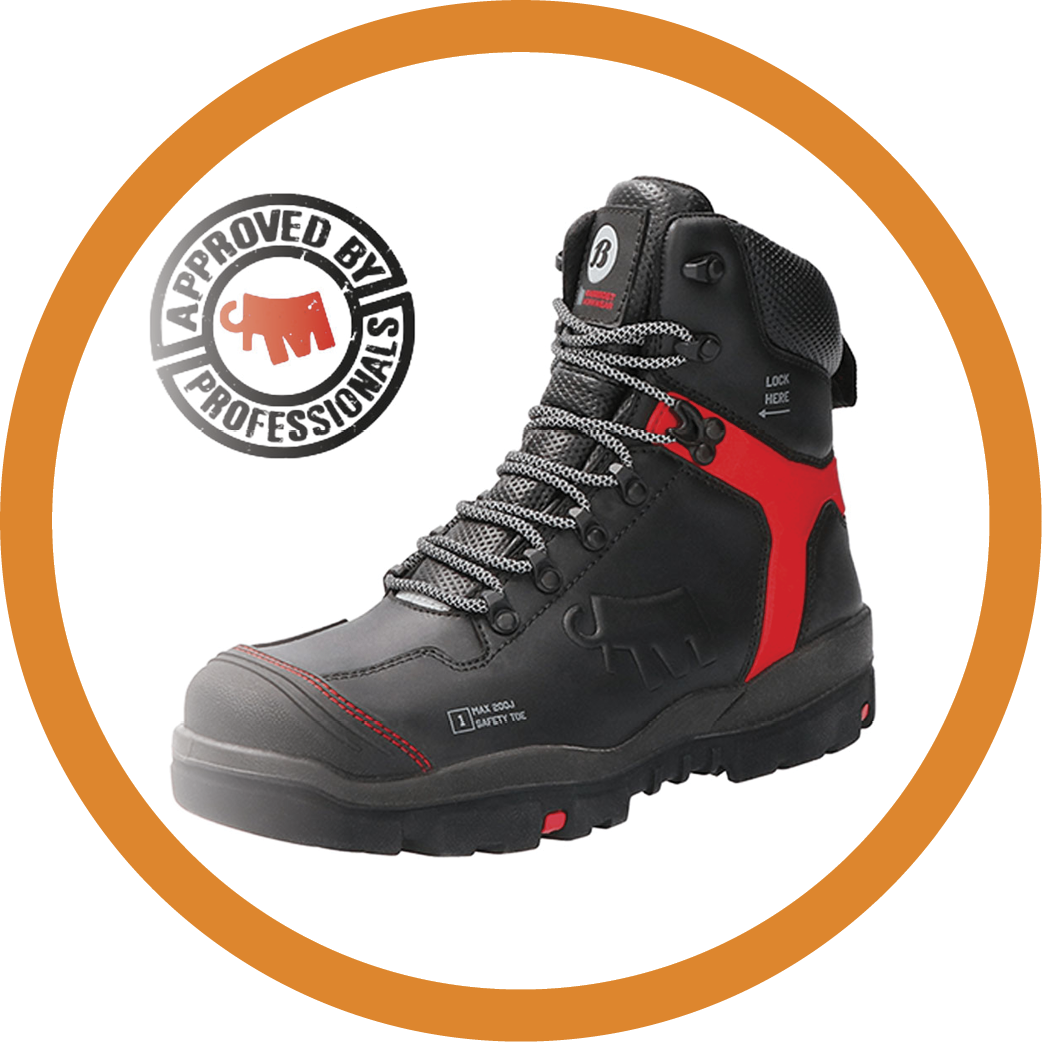
| Black Mammoet Anchor Sport Boot with Composite MidsoleOne of the toughest work boots on the market – our customers love them, reporting that they are “super comfy and sturdy for the ankles, with a great grip even on slippery surfaces”. More info |
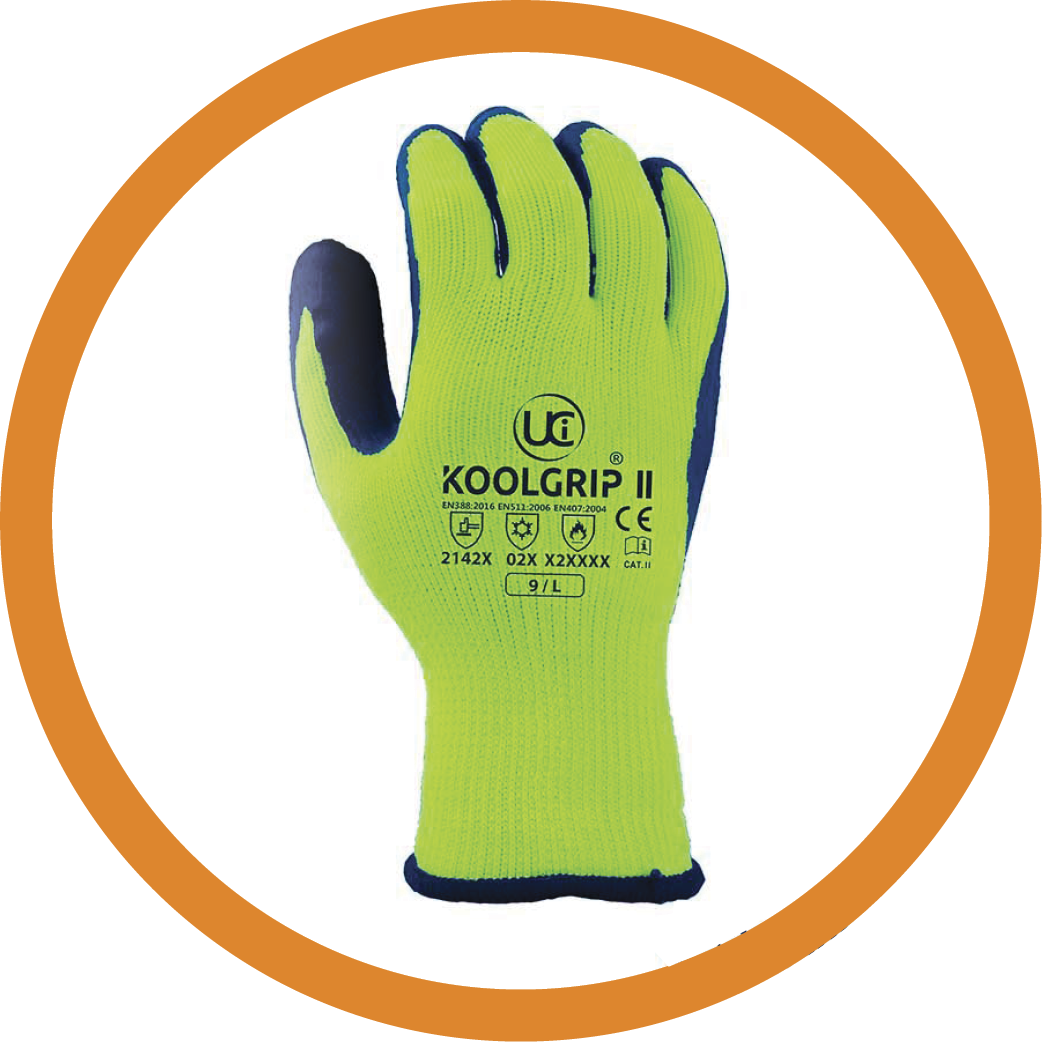
| If you need a compliant protective glove, there are a range of thermal options available, or even a glove liner, great for layering, yet maintaining dexterity. Latex Coated Thermal Grip GloveExcellent for use during cold weather work, these thermal latex coated grip gloves are thick, warm and very comfortable, with added grip. More info |
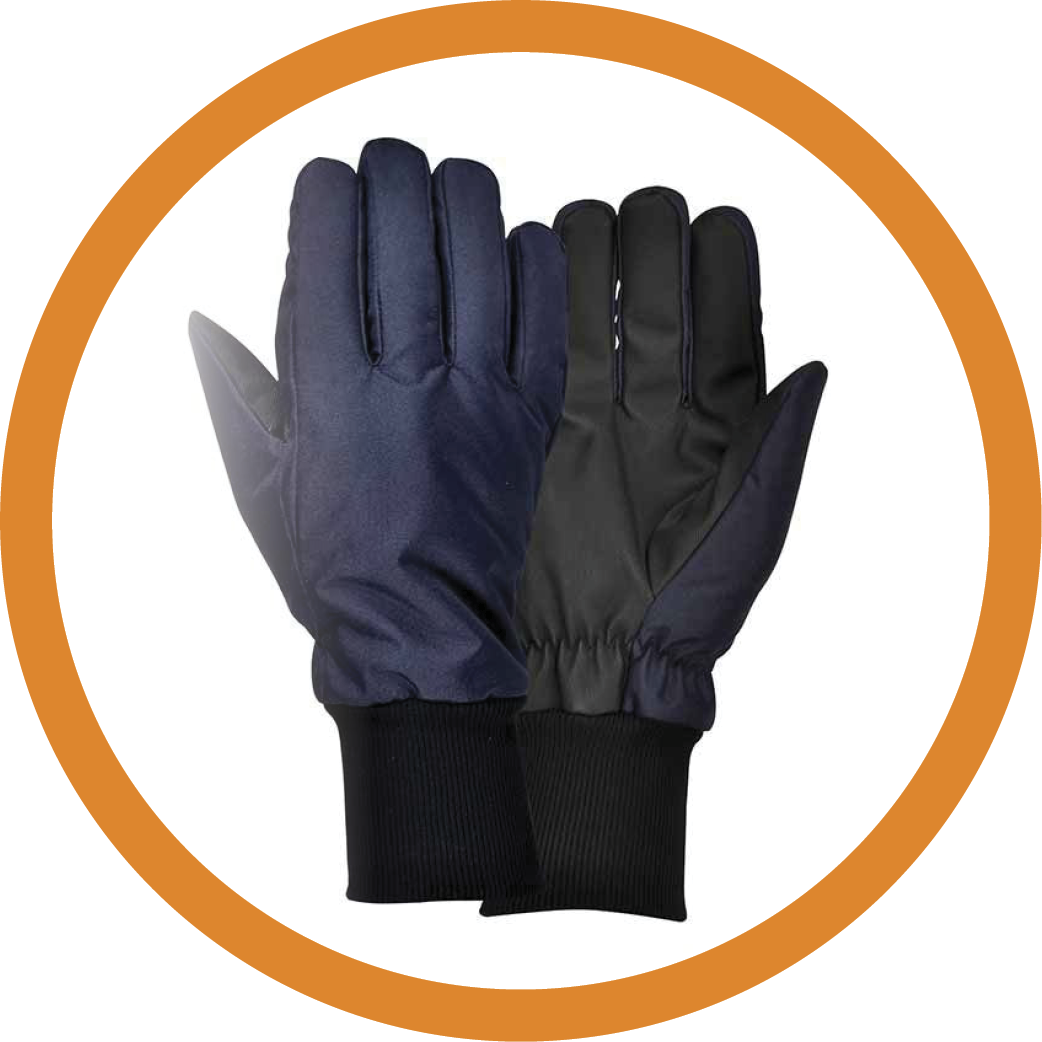
| Cofra Thinsulate Lined Coldstore GloveWith its Thinsulate lining, this glove is designed for use in cold environments with temperatures down to -30°C. More info |
10 great tips
For 10 great tips on keeping your workforce safe, warm and productive this winter check out the suggestions here: https://www.anchorsafety.co.uk/news/importance-of-keeping-warm
- Create a bright environment:
Maximise natural light by opening blinds and make sure workspaces are well lit, this helps with motivation in darker months.
- Fresh air breaks:
It may sound counter intuitive, but encourage staff working indoors to wrap up and get outside for short breaks: This will help them feel refreshed and keep them moving, and will boost vitamin D levels.
- Hydration:
Encourage workers to stay hydrated, essential for warmth. (NB relying on caffeinated drinks may restrict blood vessels and slow the body’s warming responses.)
- Food
will help your body to produce heat. Regular healthy snacks with carbohydrates and fats will help keep your body warm.
- Indoor shelter:
Ensure that outside workers can come in and dry off/warm up regularly. Provide warm rest facilities with access to hot drinks.
- Provide drying areas
for wet clothing. Wet clothing can allow the body to lose heat very quickly, increasing the risk of hypothermia.
- Check the indoor temperature:
Identify areas where workers are exposed to cold temperatures and allow regular breaks in warm rest areas.
- Conserve heat:
Ensure desks and cabinets are not blocking heat sources. Keep windows closed overnight and keep airflow to the minimum necessary, to reduce cold drafts. This will keep staff warmer while reducing energy consumption.
- Structure a winter PPE plan:
Consult your staff and provide appropriate protective clothing, including hats and gloves – read our next blog about the science behind layering and the best thermal, waterproof and breathable clothing combinations.
- Introduce a buddy system:
Watching out for one another is the best way to ensure that cold weather distress is avoided. Hold a safety meeting, when colder weather is expected, to educate staff on the risks of cold stress, how to recognise symptoms and what to do in the event of hypothermia.
Check out these expert insights for some more great ideas on how to keep your workforce warm and safe this winter.